Have you ever glanced at a watch store display and paused, wondering what sets automatic and quartz watches apart? Both tell time, both can look stunning, yet the way they work—and the way they feel on your wrist—couldn't be more different. Choosing between them isn't just about style; it's about how you want your watch to behave day after day. Let's explore the differences so you can see which one belongs on your wrist.
The Basics Of How They Work
Quartz Watches
Quartz watches rely on a battery and a quartz crystal. The battery sends an electric charge through the crystal, making it vibrate at an exact rate. Those vibrations power a small motor that moves the hands in individual ticks. This steady tick-tick is the hallmark of quartz timekeeping.
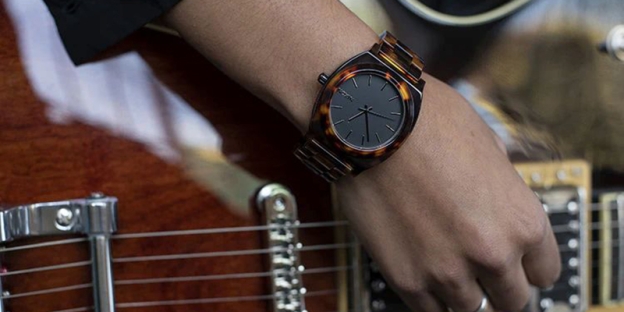
They became popular in the late 20th century because they’re inexpensive to make, extremely accurate, and require little upkeep. Whether you spend a lot or a little, the underlying principle is the same.
Automatic Watches
Automatic watches belong to the mechanical family. Instead of a battery, they’re powered by a mainspring that winds automatically as you move your wrist. Inside, a rotor spins with your motion, tightening the spring and keeping the gears moving.
The second hand on an automatic doesn’t jump once per second—it sweeps smoothly, giving the dial a continuous, elegant motion. This smoothness, along with the intricate engineering, is part of the appeal for collectors and enthusiasts.
Accuracy: Which Keeps Better Time?
When it comes to precision, quartz has the upper hand. A quality quartz watch might gain or lose only a few seconds each month. The steady vibrations of the quartz crystal are remarkably stable, and environmental changes have little effect.
Automatics, while reliable, can vary. Even a well-made one might gain or lose several seconds a day, and factors like temperature, magnetic fields, and how often you wear it can influence accuracy. High-end mechanical movements can be regulated for better performance, but they still can’t quite match quartz for long-term consistency.
Maintenance And Longevity
Quartz Maintenance
For quartz watches, care is simple. Replace the battery every two to five years, and you’re good to go. There’s minimal wear on the internal parts, which means they can last for decades with basic handling. Some watches even have solar-powered quartz movements, eliminating the need for regular battery changes.
Automatic Maintenance
Automatics need more attention. Because mechanical parts power them, they require servicing—cleaning, lubricating, and adjusting—every three to five years. Skip this, and the movement can wear down or lose accuracy. It's an extra cost and effort, but for many, it's worth it to keep the movement in top condition.
Everyday Convenience
Quartz watches are ready when you are. Leave one in a drawer for months, and it will still be ticking when you pick it up. With an automatic, things are different. If you don’t wear it regularly, it will stop after its power reserve runs out—usually between 36 and 80 hours.
When that happens, you'll need to reset the time and date before wearing it again. Some people invest in a watch winder, a small device that keeps the rotor moving when the watch is not worn.
Feel And Connection
A significant reason some people prefer automatics is the emotional aspect. Wearing one is like carrying a tiny machine that's alive in a way electronics aren't. You can often see the gears and rotor through a transparent case back, and there's a certain satisfaction in knowing your movement keeps it going.
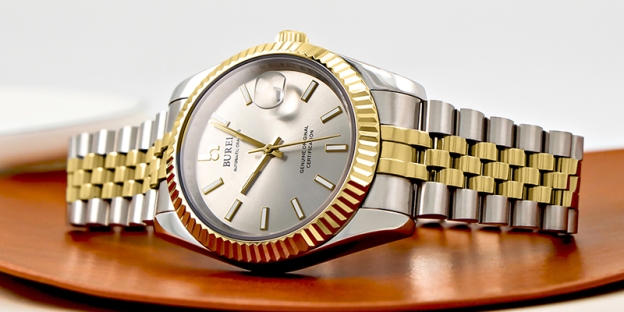
Quartz, while less romantic in concept, wins in practicality. It’s often lighter and slimmer, making it more comfortable for all-day wear. And the variety of designs—ranging from sporty to formal—is virtually endless.
Cost Considerations
Quartz watches generally cost less, both at purchase and in upkeep. You can find reliable quartz models for under $50, but there are also luxury quartz watches from brands like Grand Seiko that command high prices.
Automatics can start affordably but often climb quickly in price as craftsmanship and complexity increase. The skill required to build and assemble the movement is a significant factor in the cost. Over time, servicing adds to the total investment.
Style And Design Variety
Both movements appear in every type of watch style—from rugged divers to sleek dress watches. Quartz technology allows for more features at a lower cost, so you'll see more affordable watches with chronographs, alarms, and even GPS.
Automatic designs tend to lean classic, though modern brands are pushing the envelope with sportier and unconventional looks. Many automakers also emphasise dial and case details, appealing to those who appreciate fine craftsmanship.
Durability In Daily Life
Quartz watches, with fewer moving parts, handle shocks and rough treatment better. They’re often the go-to for sports, outdoor activities, or jobs where durability matters most.
Automatics are sturdy but have more delicate internal components. A substantial impact can throw off the movement or damage the mechanism. Many are water-resistant, but extreme activities may not be their best environment.
Environmental Impact
Quartz watches do require battery replacements, which produce waste over time. Solar-powered quartz models address this issue by using light to recharge.
Automatics avoid batteries entirely. Their mechanical nature means fewer disposable components, though they do need occasional servicing, which involves replacing worn parts.
Which One Matches Your Lifestyle?
If you want a watch that:
- Works the moment you pick it up
- Stays accurate with no fuss
- Needs only a quick battery swap every few years
…then quartz is your reliable partner.
If you like the idea of:
- Owning a timepiece powered only by motion and craftsmanship
- Seeing the smooth sweep of the second hand
- Being part of a tradition that dates back centuries
…then an automatic could be the one you’ll enjoy most.
Why Not Both?
Many watch enthusiasts keep both in their collection. A quartz for travel, workouts, or busy days when convenience matters most. An automatic for moments when you want something with more presence and history on your wrist. Owning both gives you the best of both worlds.
Choosing Your Next Watch
Choosing between quartz and automatic comes down to what matters most to you. If precision and low upkeep top your list, quartz is the way to go. If you value craftsmanship and the charm of a smooth sweep, pick automatic. Either way, the best watch is the one you’ll enjoy wearing every day.